Engineering excellence, built on integrity.
+86 15167411062
jingbian.caesar@gmail.com

If you frequently browse forums related to electrical industry power distribution or communicate with electrical engineers, you'll find that the biggest problems faced by most practitioners can be categorized into three main types: unplanned downtime, safety during switching processes, and space constraints.
To address these three core pain points, designers responsible for medium‑voltage systems actually have a variety of mature technical solutions to choose from.
Therefore, in most cases, selecting a suitable SF6 load switch (LBS) is the most economical and effective solution to directly address these three issues. This assumes that the area where your project is located does not have specific regulations governing SF6 gas.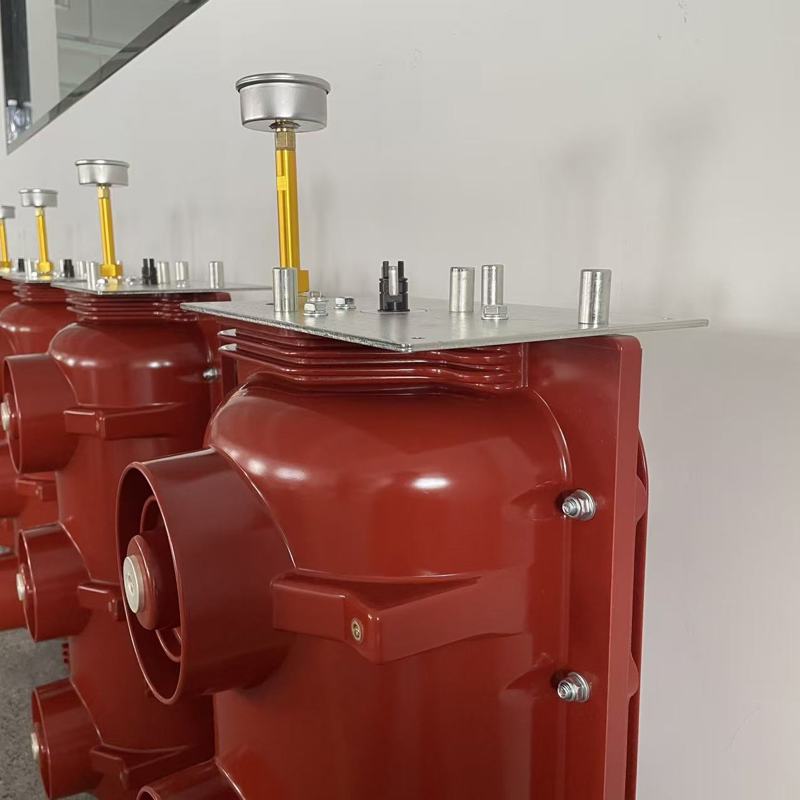
This blog will introduce the working principle of SF6 load switches, how they solve common challenges in industrial power distribution, and key professional points for purchasing and selection. If you need to understand or purchase SF6 load switches, we hope this guide brings you practical reference value.
To discuss this topic, we first need to understand what Load Break Switch (LBS) is. It is a high‑voltage switchgear that can switch rated load currents, but cannot directly cut off short‑circuit fault currents. It, along with Circuit Breakers(CB), Disconnector / Isolator (DS), and Earthing Switch(ES), are collectively referred to as high‑voltage switching devices.
So, it is very important to choose the right equipment for different scenarios. The table below clearly lists the functions of these four types of switches.
| Device Type | Main Function | Can Interrupt Load Current? | Fault Interruption? | Typical Use |
|---|---|---|---|---|
| Load Break Switch (LBS) | Make/break normal load, basic fault make | Yes | only make current, can’t clear fault |
Feeder switching, sectionalizing, RMUs |
| Circuit Breaker (CB) | Protect and clear faults | Yes | Yes | Main incomers, critical feeders, motors |
| Disconnect Switch (DS) | Provide visible isolation only | No | No | Lock‑out/tag‑out, maintenance isolation |
| Earthing Switch (ES) | Ground de‑energized circuit for maintenance safety | No | No | Equipment earthing for safe maintenance |
In simple terms:
SF6 Load Break Switch integrates safe load interruption and reliable visible isolation into a compact device, making it a widely adopted solution in medium voltage (MV) industrial power distribution designs.
SF₆‑free solutions have matured and meet IEC requirements for most medium‑voltage projects. Nevertheless, neither vacuum nor low‑GWP eco‑gas can combine all the favourable properties of SF₆ in one single medium, and certain technical compromises remain unavoidable.
In summary, vacuum and eco‑gas represent viable SF₆‑free alternatives for projects bound by environmental regulations. Where there is no legal restriction on SF₆, SF₆ LBS still delivers the best overall balance among compact footprint, switching safety and low risk of unplanned downtime.
If you want to know whether your power distribution scenario is suitable for using SF6 LBS, you first need to figure out which scenarios SF6 LBS is applicable to and its technical limitations.
In which scenarios is SF6 LBS generally suitable?
Ring Main Unit (RMU) – Most Common Application
SF₆ load switches are integrated into each feeder of the ring main unit (RMU) for loop distribution, feeder segmentation, and load transfer. This unit is widely used in industrial plants and urban cable networks, allowing isolation of individual feeder segments without causing a network‑wide blackout.
Compact/Floor‑Mounted Substations
Load switches and fuses are combined and installed on the medium‑voltage side of the distribution transformer, providing switching and electrical isolation for the transformer. Ideal for installation in space‑constrained outdoor prefabricated substations.
Indoor Metal‑Enclosed Switchgear (MV‑MCC)
Installed upstream of motor soft starters and frequency converters (VFDs), it isolates motor feeders. It allows maintenance of individual motors without disconnecting the entire busbar.
Outdoor Pole/Pad‑mounted SF₆ LBS
Used for overhead line segmentation and plant perimeter feeders. Ideal for outdoor locations with high dust, high humidity, and air pollution.
On some power supply poles, outdoor SF6 LBS is commonly deployed for power distribution around automobile factories, petrochemical plants, refineries, data centers, logistics parks, water treatment facilities and mining sites.
Overall, SF6 LBS fits most industrial power distribution scenarios, but it also has clear limitations in practical applications.
SF6 LBS will be your first choice when you encounter the following operating conditions:
For most factories and industrial power plants, SF6 LBS provides higher robustness and compactness than air‑insulated switchgear, with lower overall cost than full circuit breaker solutions.
Global mainstream MV projects widely adopt standard IEC‑certified SF6 load break switches. The following models are commonly used in overseas engineering projects:
For cost‑effective and fully compatible replacements, FLN36‑12D / FLN36‑24D / FLN36‑36D are the most mature export‑grade SF6 load switches. When selecting FLN36 series, phase spacing (210mm / 275mm) must be confirmed to match local RMU cabinet standards. The series covers 12kV, 24kV, 36kV voltage levels, 400A‑1250A rated current, and 16‑31.5kA short‑circuit making capacity, fully compliant with IEC62271‑102.
Note: Due to EU F‑gas regulations, SF6 equipment is gradually restricted in EU territories. For EU tenders, vacuum or eco‑gas insulated load break switches are recommended.
Proper SF6 LBS selection requires comprehensive evaluation of electrical parameters, mechanical performance, on‑site environment and supplier qualification to achieve full compatibility with project operating conditions.
Select voltage and current specifications according to actual system voltage and transformer kVA capacity. Common industrial grades include 5kV, 15kV, 24kV, 27kV, and 38kV, with rated current ranging from 400A to 1250A. The rated current must match the actual transformer load and reserve appropriate margin.
Phase‑to‑phase spacing is a critical installation parameter. Different countries and regional switchgear standards adopt different phase spacing dimensions. Even if electrical parameters are correct, mismatched phase spacing will prevent integration into local RMU cabinets.
For general industrial applications, the recommended short‑circuit making current ranges from 16kA to 31.5kA. The mechanical operation cycle shall reach no less than 1000–2000 times to ensure long‑term operational stability.
Choose indoor, outdoor, pole‑mounted or RMU‑integrated types according to on‑site conditions. Special adaptability evaluation is required for brownfield retrofit projects with limited installation space.
| Option | Power‑Distribution Applications |
|---|---|
| Indoor SF6 LBS | Switch‑rooms, Motor Control Centre (MCC) zones, data centres, manufacturing plants |
| Outdoor SF6 LBS | On‑site substations, plant perimeter, remote feeder circuits |
| Pole‑mounted LBS | Overhead lines, industrial sites and large outdoor facility zones |
| Panel‑integrated LBS / RMU | Compact substations, brown‑field retrofits, space‑constrained switch‑rooms |
Before purchasing, confirm the following technical and commercial documents from suppliers:
SF6 load break switches remain the most balanced, cost‑effective, and reliable medium‑voltage switching solution for most industrial power distribution projects worldwide. Buyers should select equipment based on system parameters, application environments and long‑term operational demands, rather than only focusing on low prices.
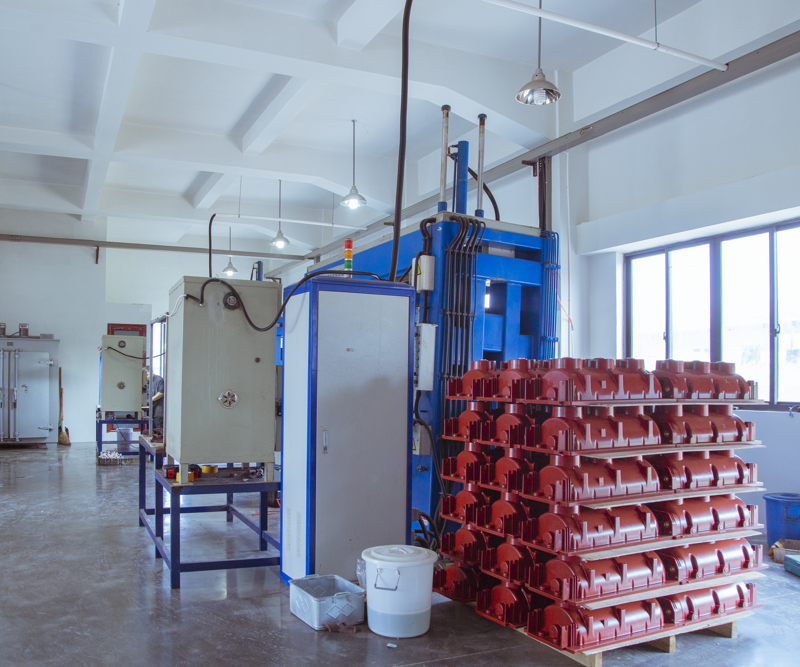
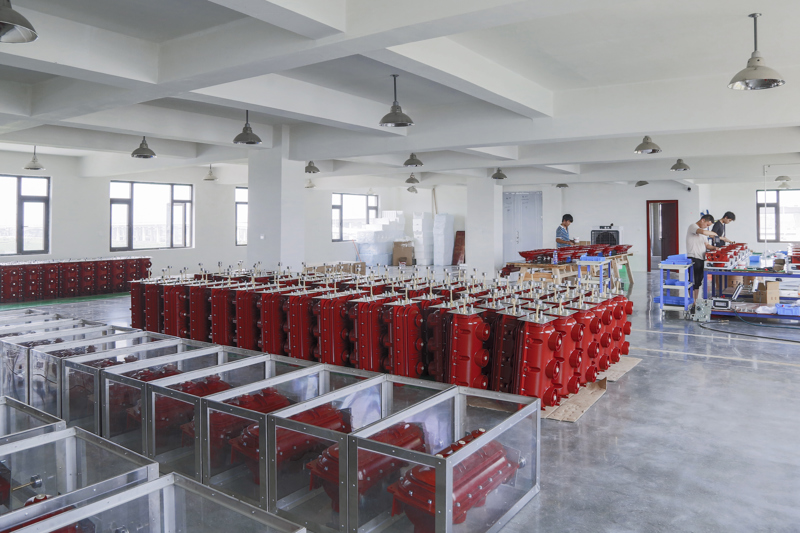
Our factory provides fully IEC‑compliant FLN36 series SF6 load break switches, complete technical support, and customized replacement solutions for global retrofit and new projects. Feel free to contact us to get the latest product catalog and professional purchasing guidance.